





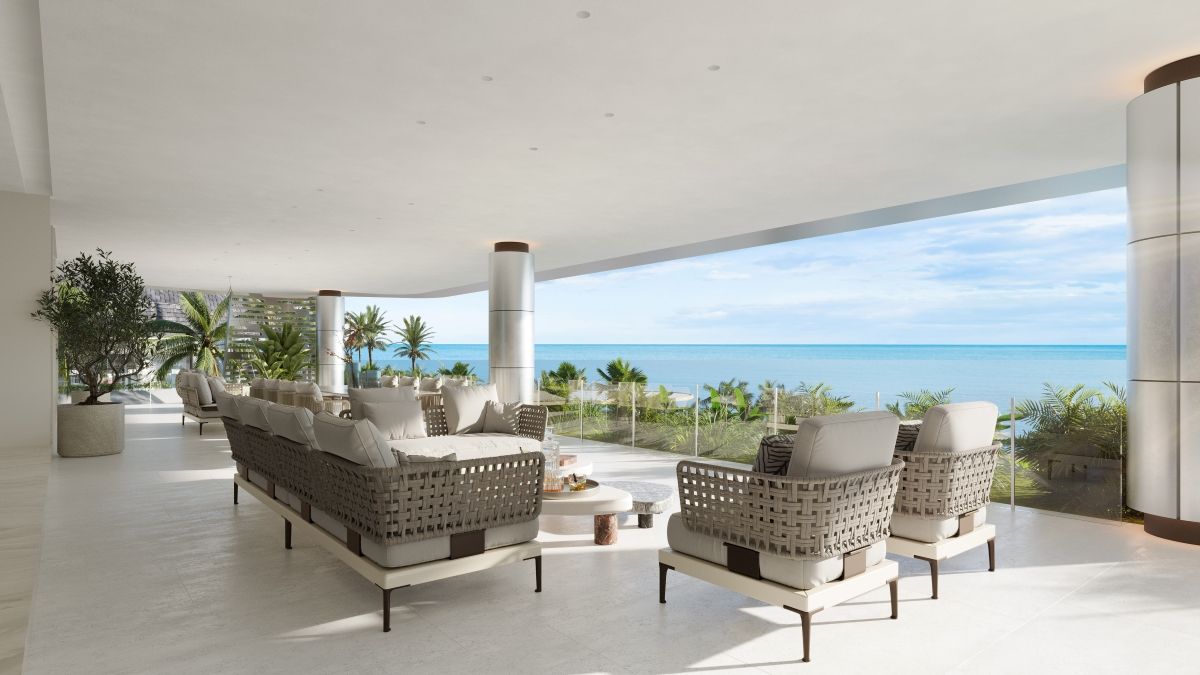
Bali luxury real estate is entering 2026 with stronger demand, more selective buyers, and a clear shift toward high‑end villas and branded residences in prime coastal and lifestyle locations like Canggu, Berawa, Uluwatu, Bingin, and Sanur. For investors and lifestyle buyers, the focus is now on design quality, guest experience, sustainable features, and professionally managed assets that can deliver 10–15% net annual returns in the right micro‑markets.
Bali luxury real estate in 2026
Several indicators show why Bali luxury real estate remains one of Southeast Asia’s most attractive high‑end markets. Indonesia’s overall real estate sector is projected to grow from about USD 66.7 billion in 2025 to nearly USD 87 billion by 2030, and Bali captures a disproportionate share of premium residential and villa demand. In 2026, the island’s luxury segment is shaped by rising global wealth tourism, major infrastructure projects, and a maturing regulatory environment that rewards compliant, professionally operated developments.
Premium travelers, digital nomads, and long‑stay guests are increasingly choosing private villas over hotels, especially in areas like Canggu, Berawa, Bingin, Uluwatu, Pererenan, Ubud and high‑end pockets of Sanur and Nusa Dua. This shift supports strong average daily rates (ADR) and occupancy, particularly for villas with ocean views, walk‑to‑beach locations, and curated hospitality services.
Read also: Magnum Estate Named Attending Sponsor at 9th HIC 2026
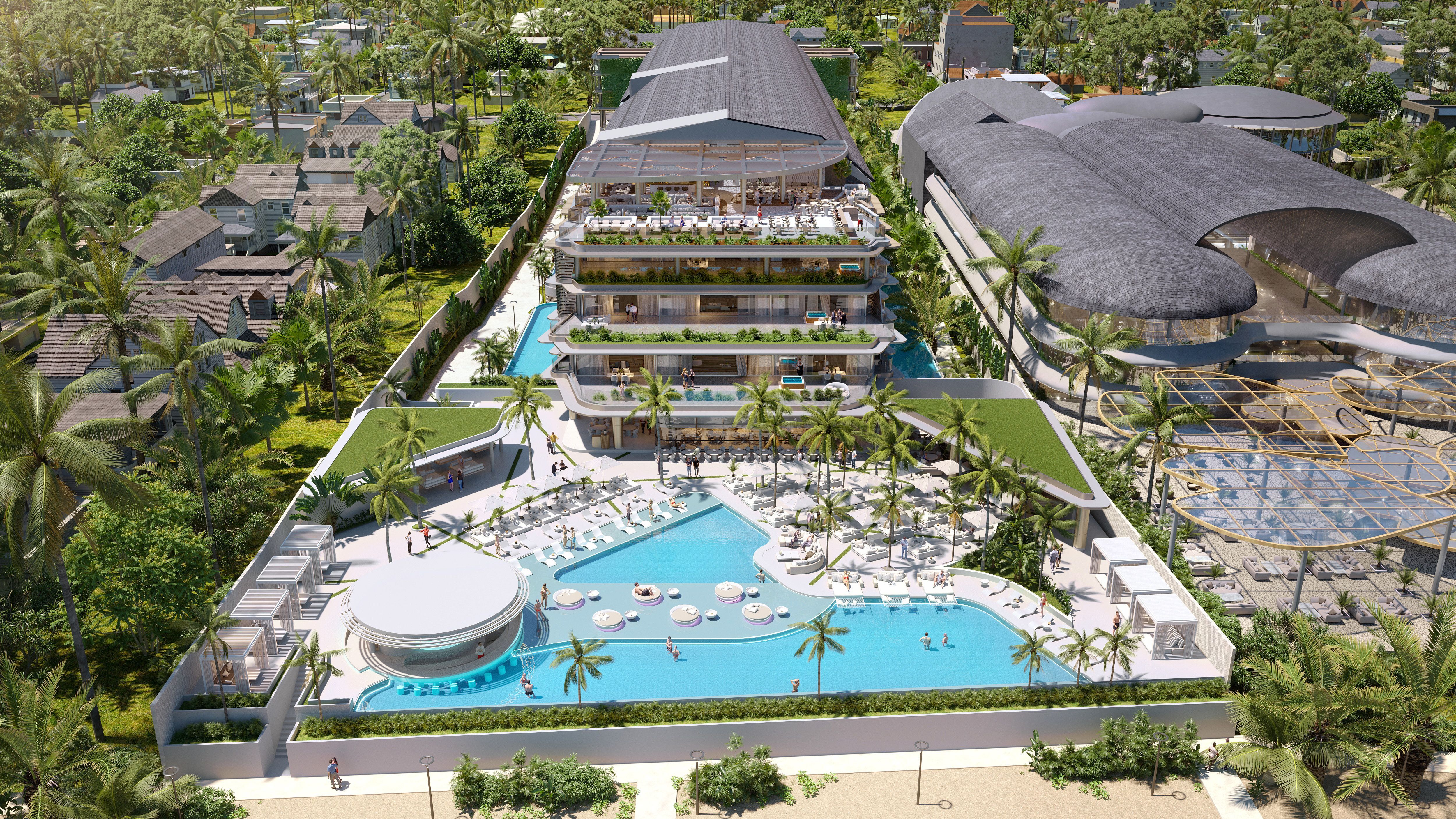
Where Bali’s luxury buyers are looking
High‑net‑worth buyers are concentrating on a handful of geo hot‑spots where luxury villas and estates combine lifestyle, status and investment potential.
- Canggu & Berawa (Badung Regency): Still the epicenter of Bali’s luxury villa market, with premium villas and apartments achieving some of the island’s highest net yields thanks to strong ADR and year‑round demand from affluent tourists and remote professionals.
- Uluwatu, Bingin & Bukit Peninsula: Defined by cliff‑front and ocean‑view luxury, this zone delivers top ADR (often USD 280–420+) with 45–55% occupancy for well‑run high‑end villas, translating into net ROI that can reach 12–18% for active operators.
- Pandawa & Sawangan (south of Nusa Dua): Emerging as scalable luxury corridors with lower entry land costs and ADR around USD 200–300, yet still achieving 12.8–19.3% net ROI on well‑designed villa projects due to strong demand and cost advantages.
- Ubud, Sanur & Nusa Dua: Ubud’s wellness‑driven homes and Sanur/Nusa Dua’s family‑oriented and resort assets appeal to wealthier long‑stay guests looking for tranquility, with defensive yields and lower market volatility.
- Tabanan, Kedungu & North Bali: Development maps highlight Tabanan and Kedungu as next‑wave premium zones, with eco‑luxury villas and TOD‑linked projects built around green landscapes, surf beaches and improved access, while North Bali (Lovina–Singaraja) is starting to attract high‑end resorts tied to the planned international airport.
In all of these locations, view, walkability, and access are the main drivers of premium pricing: ocean‑front, rice‑field or jungle views, and proximity to beaches or curated dining strips consistently command the highest price per square meter and nightly rates.
What defines Bali luxury real estate in 2026
Luxury in Bali has evolved beyond large pools and marble bathrooms. Buyers and guests now prioritize a combination of emotional experience, status, and smart investment logic.
Key features shaping buyer decisions in the luxury segment include:
- Design & guest experience: Contemporary tropical architecture, indoor‑outdoor living, high ceilings, natural materials, and fully serviced hospitality experiences are now baseline expectations in high‑end villas.
- Brand & trust: Studies across luxury markets show that developer and project branding strongly influence perceived value, with buyers increasingly looking at track record, transparency, and management reputation before committing capital.
- Sustainability & wellness: Eco‑friendly design, energy‑efficient systems, wellness spaces (gyms, cold‑plunge, yoga decks, spas) and low‑impact operations are now value drivers, aligning with the global shift toward conscious luxury travel.
- Technology & prop‑tech: Smart‑home features, digital booking journeys, and data‑driven pricing systems are becoming standard in top‑tier Bali villas, mirroring global luxury real estate trends where prop‑tech largely shapes customer expectations.
Premium rentals in Bali often outperform mid‑market stock: contrary to the myth that expensive villas are harder to fill, reports for 2025–2026 show high‑end units in the right locations securing some of the island’s strongest occupancy and most stable net returns.
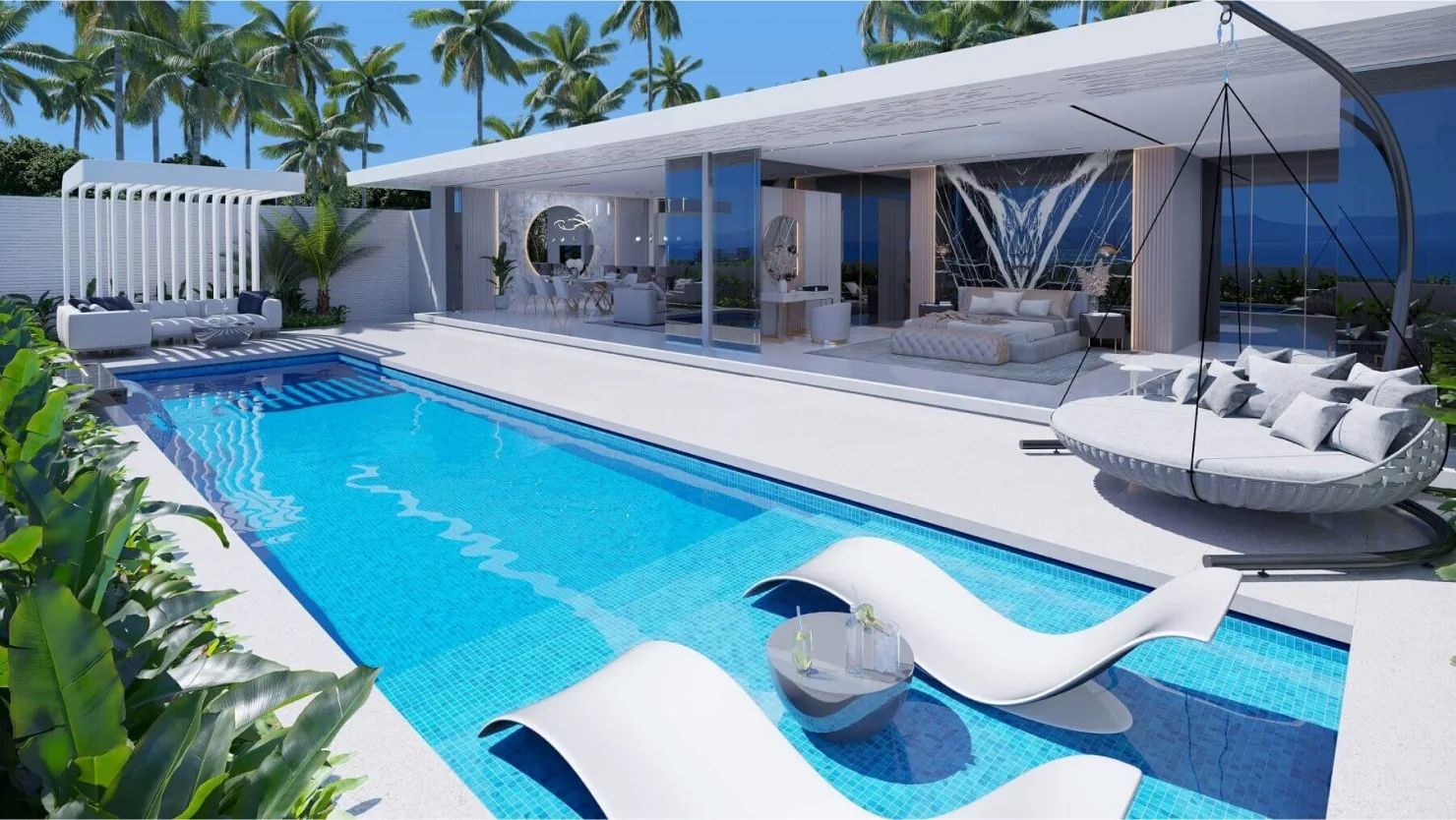
ROI, risk, and holding strategy
From an investment standpoint, Bali luxury real estate in 2026 offers a balance of strong income and long‑term upside when approached strategically.
- Yield benchmarks: Well‑positioned luxury villas in Canggu/Berawa, Pererenan, Uluwatu/Bingin and Pandawa/Sawangan typically target net yields between 10–15%, with some view‑driven assets exceeding 18% under active, professional management.
- Capital appreciation: In emerging premium corridors (Tabanan, Kedungu, parts of Bukit and North Bali), infrastructure projects and shifting demand from crowded areas suggest meaningful appreciation room over a 5–10 year horizon, on top of operating income.
- Risk profile: Oversupply risk is highest in generic three‑bedroom villas in saturated zones, while regulatory and zoning risk is minimized by choosing legally compliant, professionally developed projects in correctly zoned tourism or residential areas.
Most recent investor guides emphasize that Bali’s 2026 luxury market rewards long‑term, yield‑focused strategies rather than short, speculative flips, with the best outcomes coming from 5–10 year holds, disciplined leverage and strong property management partnerships.
FAQs: Bali luxury real estate 2026
Q1: Is Bali luxury real estate still a good investment in 2026?
Yes. Market analyses highlight Bali as one of Indonesia’s strongest luxury segments in 2026, combining robust tourism demand, high ADRs for premium villas, and ongoing infrastructure upgrades that support long‑term value.
Q2: Which areas are best for luxury villas in Bali right now?
Canggu, Berawa, Bingin, Uluwatu, Pandawa/Sawangan, Seminyak, Ubud, Sanur and selected pockets of Tabanan and Kedungu are consistently flagged as top locations for high‑end villas and estates, with each area serving slightly different guest and investor profiles.
Q3: What net ROI can I realistically expect from a Bali luxury villa?
In 2026, professionally managed luxury villas in prime locations often target 10–15% net annual ROI, with ocean‑view assets in Uluwatu/Bingin and scalable projects in Pandawa/Sawangan occasionally reaching upper‑teens returns when occupancy and pricing are optimized.
Q4: Does luxury property in Bali face oversupply?
Some coastal zones, especially Canggu and Seminyak, show signs of oversupply in generic villas, but data indicates that high‑quality, branded and well‑managed luxury assets in premium micro‑locations still enjoy strong occupancy and pricing power.
Q5: How important are sustainability and wellness features in 2026?
Very important. Studies on luxury real estate and Bali trend reports show that comfort, prestige, eco‑friendly design and wellness amenities strongly influence buying decisions and guest satisfaction, helping premium properties stand out and justify higher rates.
Q6: What is the ideal holding period for Bali luxury real estate?
Most investor roadmaps recommend a 5–10 year holding period to fully realize both rental yield and capital appreciation, especially in evolving luxury corridors like Bukit, Tabanan, Kedungu and North Bali where infrastructure and branding are still scaling.
Q7: Are beachfront and cliff‑front villas worth the premium?
For many investors, yes. View‑driven assets along Uluwatu, Bingin, Pandawa, Sawangan and high‑value stretches of Canggu/Seseh often command top ADRs and resale values, but they also come with higher entry prices and require rigorous due diligence on zoning, erosion and building standards.
Q8: What type of buyer is driving the Bali luxury market today?
A mix of high‑net‑worth global travelers, lifestyle‑driven expats, digital nomads moving into higher price brackets, and yield‑focused investors seeking diversification into lifestyle assets with strong cash flow, rather than purely speculative buyers.
Focusing on the right location, compliant structure, strong design, and professional operations is what turns Bali luxury real estate from a lifestyle purchase into a resilient, high‑performing asset in 2026.
(*)
